Wilmington Display Font for Bold Branding and Creative Projects
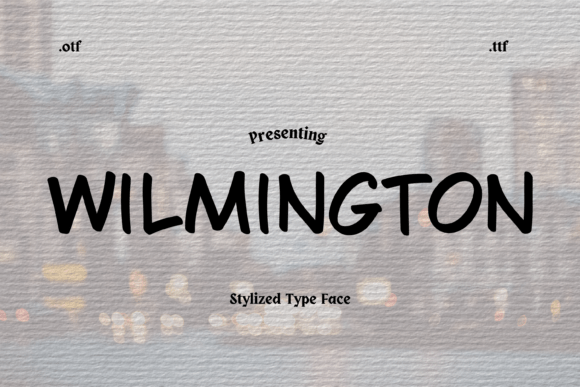
There’s something about opening a blank brand board that feels like standing at the edge of a creative leap. Recently, I found myself in that exact moment—tasked with rebranding a local café that wanted to feel modern yet approachable. The first thing I did was test Wilmington, a stylized display font that captures an urban-and-expressive soul. With its thick, marker-style letterforms and rhythmic, slightly slanted strokes, it immediately stood out as a strong contender for the project.
Wilmington for Café Branding and Eye-Catching Logos
Wilmington is not your average font. It brings a sense of movement and energy to any design, which made it perfect for the café logo. When paired with a clean sans-serif typeface for body text, it created a balanced visual hierarchy that felt both professional and edgy. The slightly slanted letterforms gave the logo a dynamic flair, making it ideal for a brand that wants to stand out in a competitive market.
I tested it on a few variations of the logo concept: one with a full-color illustration, another with just the font and a simple icon. In every case, Wilmington commanded attention without feeling over-the-top. It worked well on the storefront signage too, where readability was key despite the boldness of the display font.
Wilmington on Packaging Mockups and Product Labels
Next, I moved on to packaging mockups. The café’s new line of specialty coffee blends needed labels that reflected their unique flavors and origins. Wilmington brought a sense of authenticity and character to each label. Its marker-style letterforms mimicked the look of hand-painted signs, which aligned perfectly with the café’s artisanal vibe.
One challenge was ensuring legibility when using smaller sizes for product details. While Wilmington excels as a display font, it's best reserved for short phrases or headlines rather than long blocks of text. That said, even on the smallest labels, it maintained a strong presence without sacrificing clarity.
Wilmington in Social Media Graphics and Website Headers
For the social media assets, I used Wilmington across Instagram posts, Facebook banners, and Pinterest pins. It added a consistent touch of urban flair to every post, helping reinforce the brand’s identity. The slightly slanted strokes gave the text a sense of motion, which translated well into the café’s theme of being a lively gathering place.
On the website header, Wilmington served as the primary headline font, drawing visitors’ eyes immediately to the main message. I paired it with a minimalist sans-serif for subheadings and body copy, which kept the overall design from feeling cluttered. This kind of font pairing is essential when working with a bold display font like Wilmington.
Wilmington for Business Cards and Printed Materials
When designing business cards for the café team, I wanted something that would leave a lasting impression. Wilmington fit the bill perfectly. Its thick strokes and expressive style made the contact information stand out, while still maintaining a level of professionalism. The same goes for printed menus and promotional flyers—the typeface added a touch of personality without overwhelming the content.
It’s worth noting that Wilmington may not be the best choice for formal corporate use or lengthy documents. However, for short, impactful messages—like a tagline, slogan, or event title—it shines. If you're considering Wilmington for your next project, make sure to test it at different sizes and weights before finalizing any client work.
Font Pairing Tips and Licensing Considerations
When using Wilmington, think about how it will interact with other fonts. A good rule of thumb is to pair it with a complementary serif or sans serif font for body text. For example, combining it with a clean, modern sans-serif can create a striking contrast that highlights the brand’s voice.
Also, always check the commercial licensing terms before using Wilmington in client projects. Whether it's for packaging, templates, merchandise, or digital products, having the right permissions ensures you stay within legal boundaries. Most premium fonts offer various license options depending on your needs.