Marvin: A Bold Display Font for Impactful Designs
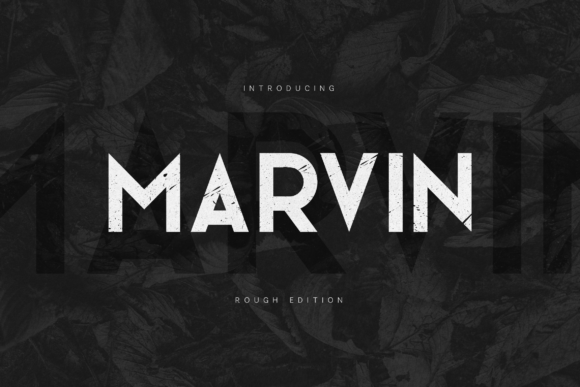
I was working late one evening, perfecting the label design for a new line of scented candles when I stumbled upon Marvin. At first, it felt like an accident—like I’d accidentally opened a can of paint and found something that screamed creativity. But as I tested it on my candle labels, I realized this wasn’t just any font. It was Marvin Rough Edition, a bold sans-serif display font built for maximum impact.
Marvin for Candle Labels and Handmade Product Packaging
Marvin has a raw, unrefined energy that makes it feel like it was carved out of stone rather than designed on a screen. When I applied it to my candle labels, the result was nothing short of stunning. The bold strokes and angular edges gave each label a sense of urgency and strength. It worked perfectly with the earthy tones of my packaging, creating a visual language that spoke of adventure and mystery.
I used Marvin in combination with a clean sans serif font for the product details, which helped balance the design without overpowering the main title. This pairing allowed me to maintain readability while still making a strong visual statement. For small stickers or product tags, Marvin’s sharp edges cut through the background, ensuring that even tiny labels had a powerful presence.
Marvin for Greeting Cards and Seasonal Printables
Next, I tried Marvin on a set of holiday greeting cards. The font’s edgy character transformed simple messages into something memorable. It was especially effective on Christmas cards with minimalist designs—just a few words and a hand-drawn illustration. The contrast between the roughness of Marvin and the softness of the illustrations created a unique aesthetic that stood out in the mailbox.
For digital printables, Marvin is equally compelling. I used it on a set of printable wall art featuring quotes about courage and resilience. The font’s boldness made the words feel more impactful, almost like they were shouting from the wall. And because Marvin is a display font, it worked beautifully on larger formats, giving the artwork a dramatic flair.
However, I did find that Marvin isn’t ideal for long paragraphs or dense text. It’s best saved for short phrases, names, or titles where its strength can shine. That said, when used correctly, it adds a layer of emotional appeal that draws the eye and keeps it there.
Marvin for Wedding Invitations and Boutique Branding
I recently tested Marvin on a wedding invitation design for a client who wanted something unconventional. The font’s unrefined energy fit perfectly with the theme of a rustic outdoor ceremony. Paired with a script font for the guest details, Marvin added a touch of boldness to the otherwise elegant design. The invitations were printed on thick cardstock, and the font held up beautifully under the press, showing no signs of distortion or blurriness.
For boutique branding, Marvin brought a modern edge to the shop’s logo and packaging. It was used on product tags, hang tags, and even the storefront signage. The consistency across all materials helped build brand recognition, and customers often commented on how striking the font looked.
If you're looking to create a brand identity that feels both strong and stylish, Marvin is a great choice. Just be sure to pair it with fonts that complement its boldness, such as a simple serif or a clean sans serif, to avoid overwhelming the viewer.
Marvin for Digital Downloads and Merchandise
As a creator who sells digital downloads, I was eager to see how Marvin would perform in that space. I used it on a set of SVG files for custom shirts and tote bags. The font’s sharp lines translated well to fabric, and the designs looked fantastic when printed on cotton. I also included Marvin in a downloadable template pack, and the file formats (OTF, TTF, WOFF) were all present and accounted for, making it easy for buyers to use across different platforms.
One thing I always check before selling any font-based product is the commercial license. Marvin comes with a clear licensing agreement that allows for use in physical products, templates, and digital downloads, which is essential for creators who want to scale their offerings.
When using Marvin for merchandise, I recommend testing it on mockups first. I found that it works particularly well on large-format items like tote bags and mugs, where the font can really make a statement. On smaller items like stickers or keychains, I paired it with simpler typography to ensure legibility.
Overall, Marvin is a versatile and powerful display font that brings a sense of energy and confidence to any project. Whether you’re designing for handmade products, digital downloads, or boutique branding, it’s a font that demands attention—and that’s exactly what your designs need.