Maribont: A Retro-Inspired Display Font for Modern Web Design
Testing Maribont on a Boutique Online Store Header
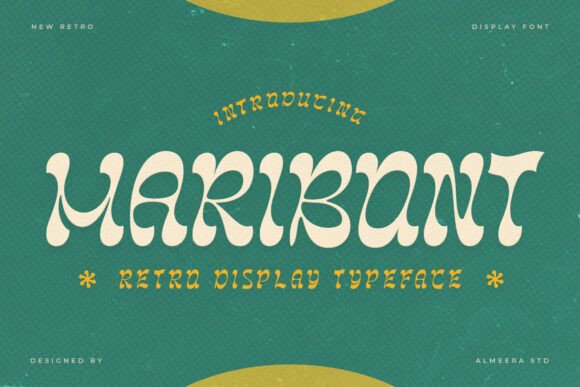
As I was working on the header for a boutique online store, I needed a display font that would stand out without overwhelming the design. That's when I decided to test Maribont, a retro-inspired display typeface with bold shapes, playful curves, and a strong vintage character. The first thing I noticed was how its unique letterforms brought a cheerful and expressive tone while keeping a clean and readable layout.
I placed it over a full-width image banner of handcrafted leather goods and immediately saw how well it complemented the product's aesthetic. The bold shapes of Maribont gave the header a strong visual presence, and the playful curves added just enough personality to make the brand feel approachable and authentic.
Maribont for Hero Titles in a Coaching Website
Next, I tried using Maribont as the hero title on a coaching website focused on personal development. The goal was to create a warm, inviting atmosphere that encouraged engagement. Maribont fit perfectly here because of its retro charm and expressive tone. It felt like a natural extension of the brand’s voice—friendly yet professional.
I paired it with a simple sans serif font for body copy, which helped maintain visual balance and readability. The contrast between the decorative Maribont and the clean sans serif made the content easier to scan and digest. This combination worked especially well on mobile devices, where readability is crucial for user retention.
Using Maribont in Call-to-Action Areas
For the call-to-action section of the same coaching site, I experimented with using Maribont in short phrases like “Start Your Journey” and “Join Now.” The font’s expressive tone helped emphasize the urgency and excitement behind these buttons. However, I made sure to keep the button text concise since Maribont can appear heavier than standard fonts when used in small spaces.
On smaller screens, I adjusted the font size slightly to ensure it remained legible and didn’t interfere with the overall flow of the page. This attention to detail ensured that the Maribont font contributed positively to the user experience rather than creating visual clutter.
Maribont for Product Landing Pages and Branding Elements
In another project, I used Maribont on a product landing page for a new line of vintage-style stationery. The retro character of the font aligned perfectly with the product's theme, making it an ideal choice for headlines and promotional banners. I also used it sparingly in logo designs and branding elements to reinforce the vintage vibe without overpowering the rest of the design.
The versatility of Maribont allowed me to use it across multiple sections of the landing page, from the main headline down to supporting subheadings. This helped create a cohesive visual hierarchy that guided users through the content naturally.
Readability Considerations for Maribont in Responsive Layouts
When testing Maribont on different screen sizes, I found that its bold shapes and playful curves performed best in larger headings and titles. For body text or long paragraphs, I always opted for a more straightforward sans serif font to avoid compromising readability.
On dark backgrounds, I adjusted the color contrast to ensure the Maribont font remained visible and easy to read. Similarly, on light backgrounds, I used subtle shadows or outlines to enhance legibility. These small adjustments helped maintain the font’s visual appeal while ensuring it functioned effectively within the layout.
Font Pairing Tips for Maribont in Web Projects
To maximize the impact of Maribont, I recommend pairing it with a complementary sans serif or serif font for body copy. This creates a balanced look and ensures that the design remains accessible and professional. For example, using a clean sans serif like Helvetica Neue alongside Maribont can give your design a modern yet nostalgic feel.
When designing for editorial content or digital magazines, consider using a serif font to pair with Maribont. This combination can help create a more sophisticated and polished look that appeals to a wider audience.
Checking Licensing and Technical Requirements for Maribont
Before finalizing any design, it's essential to check the licensing terms for Maribont to ensure it's suitable for commercial use. Make sure the font includes webfont availability, file formats like WOFF and TTF, and multilingual support if needed. Also, verify whether the font includes alternate characters, weights, and other stylistic variations that might be useful for your project.
By understanding these technical aspects early on, you can avoid potential issues later and ensure that Maribont integrates seamlessly into your website or digital product without any performance or legal complications.